
TLDR
The best MTG beginner resources are MTG Arena, Wizards’ official How to Play guide, beginner paper products like Foundations Beginner Box, YouTube tutorials, Scryfall, and Commander-focused tools once you’re ready. Start with Arena if you want the rules to teach themselves. Use paper starter decks or proxies when you want to practice in person without buying a pile of cards you may immediately regret.
Magic: The Gathering has a very funny learning curve. The first game is simple enough: play lands, cast creatures, attack, block, complain about drawing seven lands in a row. Very normal hobby behavior.
Then someone says “priority,” “triggered ability,” or “state-based actions,” and suddenly your card game has become a small legal proceeding with dragons.
The good news is that there are excellent MTG beginner resources now. You do not need to learn Magic by getting repeatedly demolished by a friend who says, “Don’t worry, this deck is casual,” right before assembling a three-card combo that makes everyone at the table age visibly.
Here’s where to start.
MTG Arena
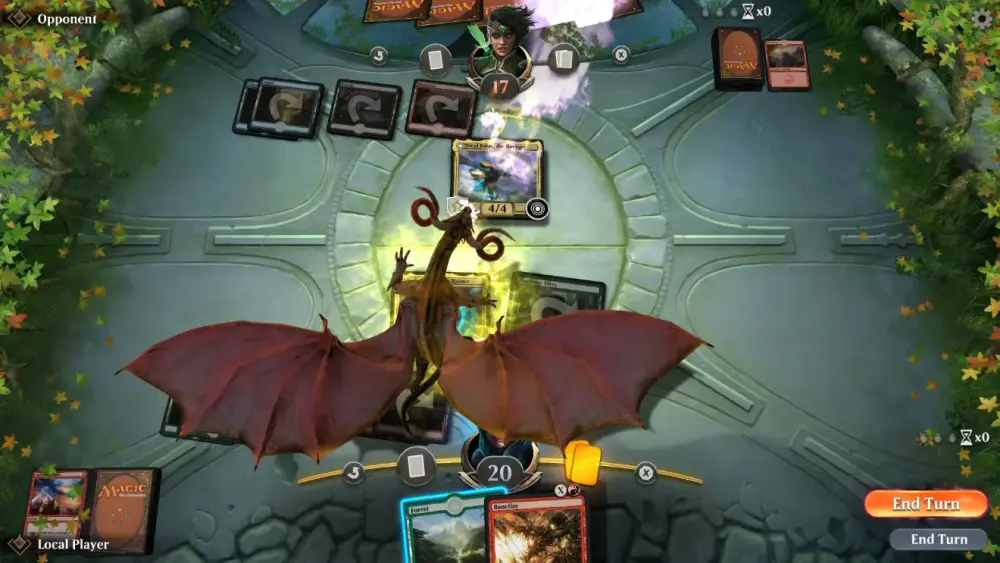
MTG Arena is the best first stop for most brand-new players because it teaches the rules through actual play. You click cards, cast spells, attack, block, and the game shows you what you can legally do. That matters because Magic timing can be hard to understand from text alone.
Arena is especially useful for learning turn structure, combat, card types, mana, and the difference between instants and sorceries. It also handles rules enforcement automatically, which is great while you’re learning. The tradeoff is that Arena does some thinking for you, so once you move to paper Magic, you’ll need to build habits like tracking triggers, life totals, and board states yourself. Horrifying, yes. But survivable.
Wizards’ Official How To Play Guide
The official Magic: The Gathering How to Play guide is the clean rules baseline. Read it after you’ve played a few Arena games, not before. If you start with rules text before seeing a game in motion, it can feel like reading appliance instructions for a microwave from another plane.
This guide is best for understanding the basics: how to set up a game, how to read cards, how lands create mana, how spells are cast, how combat works, and how players win. It’s not trying to teach you every edge case in Magic history. That’s good. Nobody needs to learn banding on day one unless they have wronged a wizard.
The Official Keyword Glossary
Magic cards use keywords to compress rules into small words. Flying, haste, trample, vigilance, deathtouch, lifelink, menace, hexproof, and ward all show up often. You do not need to memorize every keyword in the game, but you should learn the common ones early.
The official keyword glossary is useful because it gives quick explanations for the words you’ll keep seeing on cards. Keep it open while you play paper games. When a creature has trample, don’t guess. Guessing is how house rules are born, and some of them are absolute goblin nonsense.
Foundations Beginner Box
The Foundations Beginner Box is one of the best physical products for learning paper Magic. It includes beginner-friendly Jumpstart-style decks, reference materials, playmats, and guided learning tools. That makes it a good choice if two players want to sit down and learn together.
The reason this works so well is that it removes the deckbuilding problem from your first games. You get to focus on playing lands, casting spells, attacking, blocking, and understanding what your cards do. Deckbuilding can wait a little. Your first job is to learn how the game breathes.
Starter Kits
Starter Kits are another strong paper option for beginners. They usually include two ready-to-play decks that are designed to face each other, which is exactly what you want when you’re learning. Balanced decks make the game easier to understand because one player is not accidentally showing up with a tuned murder machine.
Starter Kits are best when you have one other person learning with you. Open the decks, read the inserts, play slowly, and talk through decisions. You’ll learn faster by playing five slightly messy games than by reading twenty articles and never shuffling a deck.
Jumpstart
Jumpstart is excellent for casual beginner play because the setup is beautifully simple: take two themed packs, shuffle them together, and play. You get functional decks without having to build anything from scratch.
This is a great way to experience different colors and themes. One game might be Goblins plus Dragons. Another might be Cats plus Healing. Is it always perfectly balanced? No. Is it easy to get to the part where cards are actually being played? Absolutely, and that matters more when you’re new.
YouTube Tutorials
YouTube is great for visual learners. A good beginner video shows the board, explains the turn, walks through attacks and blocks, and demonstrates common mistakes. Magic is easier when you can see the flow of a game instead of trying to imagine it from a paragraph.
Look for beginner videos that explain actual gameplay, not just product openings or high-level strategy. Product openings are fun, but watching someone reveal cardboard from a pack is not the same as learning why casting your creature before combat might be worse than waiting until after combat. Tiny decisions matter. Magic is rude like that.
Local Game Stores And Teaching Events
Local game stores can be one of the best places to learn, especially when they run beginner-friendly events. Some stores host teaching sessions, casual Commander nights, prereleases, or learn-to-play events. A patient real person can explain a board state faster than a rules page can.
The key is to look for beginner-friendly environments. Ask the store what they recommend for new players. You’re not trying to enter the deepest end of the pool while holding unsleeved starter cards and a dream. You’re trying to find people who are happy to slow down, explain steps, and let you learn without making the game feel like a final exam.
Friends Who Already Play
A friend who knows Magic can be the best tutorial in the world, assuming they remember what it’s like to be new. The ideal teacher explains one thing at a time, uses simple decks, and does not bring their favorite Commander deck that takes twelve-minute turns while “just doing a little setup.”
Ask your friend to play open-handed for the first game. That means both players show their hands and talk through choices. It removes some mystery, but it teaches decision-making much faster. Once you understand the basics, you can go back to hiding your hand like a respectable planeswalker with secrets.
Scryfall
Scryfall is one of the best card search tools in Magic. Once you know the basics, it lets you search for cards by color, mana value, card type, rules text, format, creature type, and more. It’s incredibly powerful.
For beginners, start simple. Search for “green creatures with trample,” “blue cards that draw cards,” or “red instant damage spells.” Don’t worry about advanced search syntax right away. Scryfall becomes more useful as your questions get more specific. Eventually you’ll search for something like “Commander legal green creatures under four mana that draw cards when creatures enter,” and that’s when you’ll know the cardboard has fully claimed you.
Gatherer And Official Card Databases
Gatherer and official Magic card databases are useful when you want official card wording and rulings. They are less pleasant for browsing than Scryfall, but they are still worth knowing about.
Use official databases when you need to confirm exact wording or look up a ruling. Use Scryfall when you’re exploring deck ideas. That split keeps things simple. One tool is the librarian. The other is the extremely efficient librarian who also knows exactly which goblin you’re looking for.
EDHREC
EDHREC is a Commander deckbuilding resource that shows common cards, themes, and strategies for specific commanders. It’s very useful once you know you want to build Commander decks.
Use EDHREC for patterns, not blind copying. If a commander’s page shows lots of ramp, card draw, sacrifice outlets, or token makers, that tells you what the deck is probably trying to do. But don’t add cards just because they’re popular. Popular cards can still be wrong for your budget, your playgroup, or your actual plan. Commander decks need a plan. “All the cards looked good individually” is how a deck becomes a cardboard junk drawer.
If Commander is where you’re heading, PrintMTG’s Commander EDH guide for MTG players is a good next step. It explains the format, deck structure, and the basic decisions that matter when building your first 100-card deck.
Deckbuilding Websites
Deckbuilding sites like Moxfield, Archidekt, and similar tools help you build, save, edit, and test decklists. These are useful once you’re ready to move beyond starter products and begin shaping your own decks.
The best beginner use is simple: copy a starter list, make a few changes, then playtest. Don’t rebuild everything at once. Change ten cards, play a few games, and see what happens. If your deck never has enough mana, add lands or ramp. If you always run out of cards, add card draw. If your opponents keep doing terrifying things while you watch politely, add removal.
PrintMTG And Proxies For Practice
Once you understand the basics, proxies are one of the easiest ways to practice with physical decks without buying every card first. This is especially helpful for Commander, cube, casual teaching decks, and testing upgrades before committing to a full list.
For beginners, the proxy route is practical because you can build simple teaching decks, try different colors, and test cards before spending money on singles. You can also print a few upgrade options and actually play them before deciding what belongs in the final deck. That beats guessing, buying, regretting, and then pretending the card was “mostly for another deck anyway.”
PrintMTG’s MTG proxy printing guide is the best internal starting point when you’re ready to print readable playtest cards for casual games. Prioritize clear card names, readable rules text, consistent sizing, and cards that shuffle cleanly in sleeves. The whole point is to make learning easier, not to create a table-wide eyesight test.
A Simple Beginner Learning Path
Start with MTG Arena for the tutorial and a few beginner games. Then read Wizards’ How to Play guide and the keyword glossary so the terms start to click. After that, play paper games with a Starter Kit, Foundations Beginner Box, Jumpstart packs, or simple proxy teaching decks.
Once you’re comfortable, pick one direction. If you like one-on-one games, keep learning 60-card casual or Arena formats. If your friends play multiplayer, start learning Commander. If you enjoy deckbuilding, start using Scryfall and deckbuilding sites. If you mostly like opening packs and improvising, try Jumpstart or prerelease-style play.
The important thing is not to learn everything at once. Magic is enormous. Treat it like a game, not a certification program with goblins.
FAQ
What Is The Best MTG Beginner Resource?
MTG Arena is the best first resource for most beginners because it teaches through play and enforces the rules automatically. After that, the official How to Play guide is the best written resource for understanding the structure of the game.
Should I Start With Paper Magic Or MTG Arena?
Start with MTG Arena if you want the fastest rules tutorial. Start with paper Magic if you have a friend or local store that can teach you slowly. The best path is usually both: Arena for rules practice, paper for real table habits.
What Paper Product Is Best For Learning Magic?
The Foundations Beginner Box is one of the best options for true beginners. Starter Kits and Jumpstart packs are also good because they let you play right away without building a deck from scratch.
Is Commander Good For Beginners?
Commander can be good for beginners if your group is patient and uses simple decks. It is not the simplest format, though. Commander adds multiplayer politics, 100-card decks, commanders, color identity, and longer games. Learn basic turns and combat first if you can.
When Should I Use Scryfall?
Use Scryfall once you understand basic card types and deck goals. It is best for finding specific kinds of cards, like removal spells, ramp, card draw, creatures with keywords, or budget replacements.
Can Proxies Help Me Learn Magic?
Yes. Proxies are useful for casual practice, testing decks, building teaching decks, and trying upgrades before buying cards. For new players, they make it easier to experiment without turning every deck idea into a checkout page.