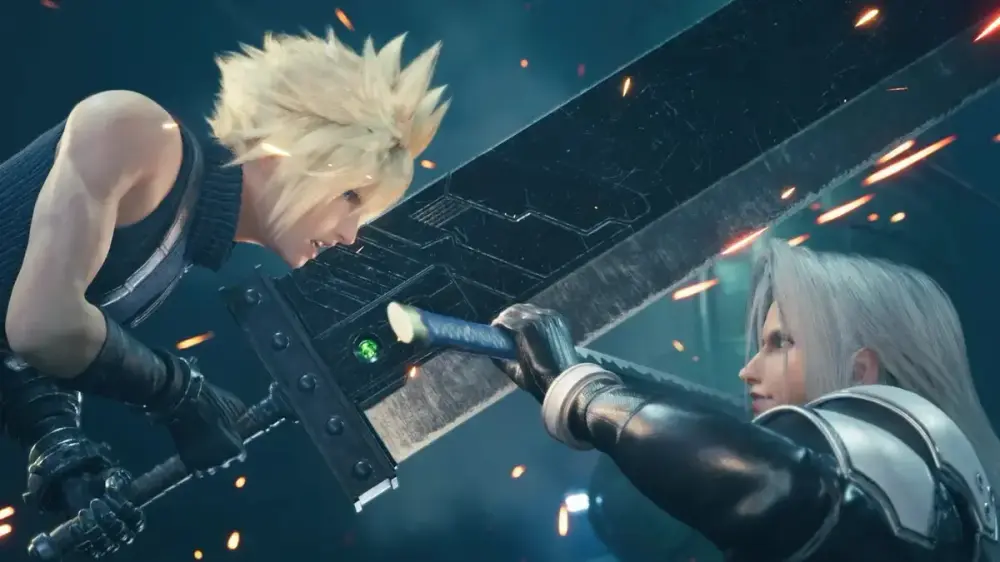

The MTG Final Fantasy crossover was always going to be a stress test. Not for the rules engine. For the fanbase. You take one of the most famous RPG series ever, jam it into a game that already has 30 years of lore, and then you ask everyone to be normal about it.
Some people were not normal about it.
But now that we’re in 2026, we’ve got the one thing previews never give you: receipts. We know what shipped, what players actually sleeved up, what became a Commander staple, and what ended up as a “cool idea” that nobody remembers until it gets reprinted in a Secret Lair five minutes later.
How the MTG Final Fantasy crossover actually launched
The biggest difference between the early hype and reality is simple: this wasn’t a cute side product. It was a full tentpole release, the kind of drop that gets Draft pods firing and makes your group chat light up with “do you have a spare box?” messages.
Wizards built it as a full set release with Play Boosters and Collector Boosters, plus a whole product suite around it. And yes, it was designed to pull from all sixteen mainline Final Fantasy games, not just the obvious hits. That mattered more than I expected, because it helped the set feel like a celebration instead of a single-game skin.
It also landed right as Universes Beyond “tentpole” releases started being treated like normal Magic releases in Constructed, which added a whole extra layer of discourse. Some players loved that the cards could move between formats more naturally. Others… did what Magic players do and wrote 900-comment threads about it.
The Commander decks that defined the crossover
Early speculation assumed the Commander decks would lean hard on Final Fantasy VII, and yeah, that was correct. But the smarter choice was that Wizards didn’t stop there.
Instead, we got four decks tied to four different games, with distinct color identities and mechanical vibes:
Limit Break (Final Fantasy VII), Revival Trance (Final Fantasy VI), Counter Blitz (Final Fantasy X), and Scions & Spellcraft (Final Fantasy XIV).
That spread did two things.
First, it gave different generations of fans a clear “this one is for you” entry point. Second, it made the decks feel less like merch and more like actual Commander products with their own gameplay identity.
Collector versions also existed, and they were aimed squarely at the “i like foils and i hate money” demographic. The all-cards premium treatment was a big deal for collectors, but for most players the real question was simpler: are these decks fun out of the box?
And honestly, yes. Not perfect. Not all equally tuned. But playable, flavorful, and easier to upgrade than people expected.
Mechanics and flavor that worked better than it had any right to
Here’s where the set surprised me.
Final Fantasy has a ridiculous amount of “stuff.” Jobs. Summons. Airships. Minigames. Status effects. Weapons with names longer than some Commander games. If you try to represent all of it literally, you end up with a bloated mess.
The set design mostly dodged that trap by using Magic’s existing language to imply Final Fantasy things, instead of rebuilding the wheel.
Summons are a great example. Wizards leaned into Saga-style design space for that “big cinematic moment that unfolds” feeling, which fits how summons function in the games. Chocobos were treated like more than just a mascot, too. The set used familiar connective mechanics to make them feel like movement and momentum, not just “here’s a bird.”
It’s the same design trick Universes Beyond does at its best: make a card feel like the source material, but still feel like Magic when you draw it on turn six.
That’s also why the “fan service” moments hit harder. When a card captures a story beat or a character vibe without needing a paragraph of reminder text, it plays better and it ages better.
The product wave in late 2025 made the crossover feel even bigger
If you only followed the June release, you missed the second act.
Later in 2025, Wizards dropped more Final Fantasy product, including special bundles and tie-in items that pushed the set back into the spotlight. One of the most talked-about pieces was the Chocobo-themed product line, partly because it was genuinely charming and partly because scarcity makes people lose their minds.
If you want the blow-by-blow on what was actually in that product and whether it was worth hunting down at real-world prices, this breakdown is still the best starting point: MTG Chocobo Bundle Review: Worth It at MSRP, or Nah?
The bigger takeaway is that Final Fantasy didn’t feel like a one-weekend hype cycle. It got treated like a tentpole moment with legs, which is exactly what you’d expect when a crossover performs that well and brings in that many new eyes.
Printing and playing in 2026: what most players actually do now
By 2026, the “should crossovers exist” argument is still alive, but the day-to-day reality is more practical.
People want to play the cards.
They want specific versions. Specific printings. Sometimes they want the deck to match a theme, not just a power level. And sometimes they just want to test a build before dropping real money, especially when a set’s peak hype pricing makes everything feel a little dumb.
That’s where proxies become part of the conversation, whether people admit it or not.
The line is still the line: sanctioned events are not the place for proxies, and nobody should be trying to pass off fake cards as real. But casual Commander is a different world, and plenty of groups are fine with clearly labeled proxies if you talk about it upfront.
If you want the clean version of what’s allowed, what isn’t, and where players get burned, read this before you bring anything to a store: Are Proxies Legal in MTG? Understanding Proxy Cards
And for PrintMTG specifically, the Final Fantasy set ended up being a perfect match for how people build in 2026: pick the exact cards you want, choose the versions that fit your deck’s vibe, and get the stack ready without gambling on sealed product.
Final thoughts
The MTG Final Fantasy crossover could have been a gimmick. Instead, it became a blueprint.
It proved that Universes Beyond works best when it respects both sides: the crossover world gets real representation, and Magic’s gameplay language stays intact. The Commander decks did the smart thing by spreading the love across multiple games. The mechanics communicated flavor without turning every card into a rules novel. And the follow-up products kept the set feeling alive past release month.
If you liked it, you probably really liked it. If you hated it, you probably still drafted it anyway. That’s Magic.